Fit
Seat and table heights, and the gap between them
Chairs and tables are bought separately and used together. The few centimetres between a seat and the tabletop above it decide whether a pair is comfortable.
The number that matters is the difference
A dining chair is comfortable at a table when the tabletop sits about 25 to 30 cm above the seat. Closer than that and thighs press against the underside; further and the table rises towards the chest, and elbows lift to eat.
So when you buy a chair for a table you already own, or the other way round, compare the seat height of one with the top height of the other. Both are usually on the listing, in centimetres, and the maker’s drawing gives them when the listing does not.
Check the underside as well. A table with a deep apron, the rail that runs under the top between the legs, can leave less knee room than its top height suggests. Allow about 18 to 20 cm between the seat and the underside of the apron.
Dining tables and chairs
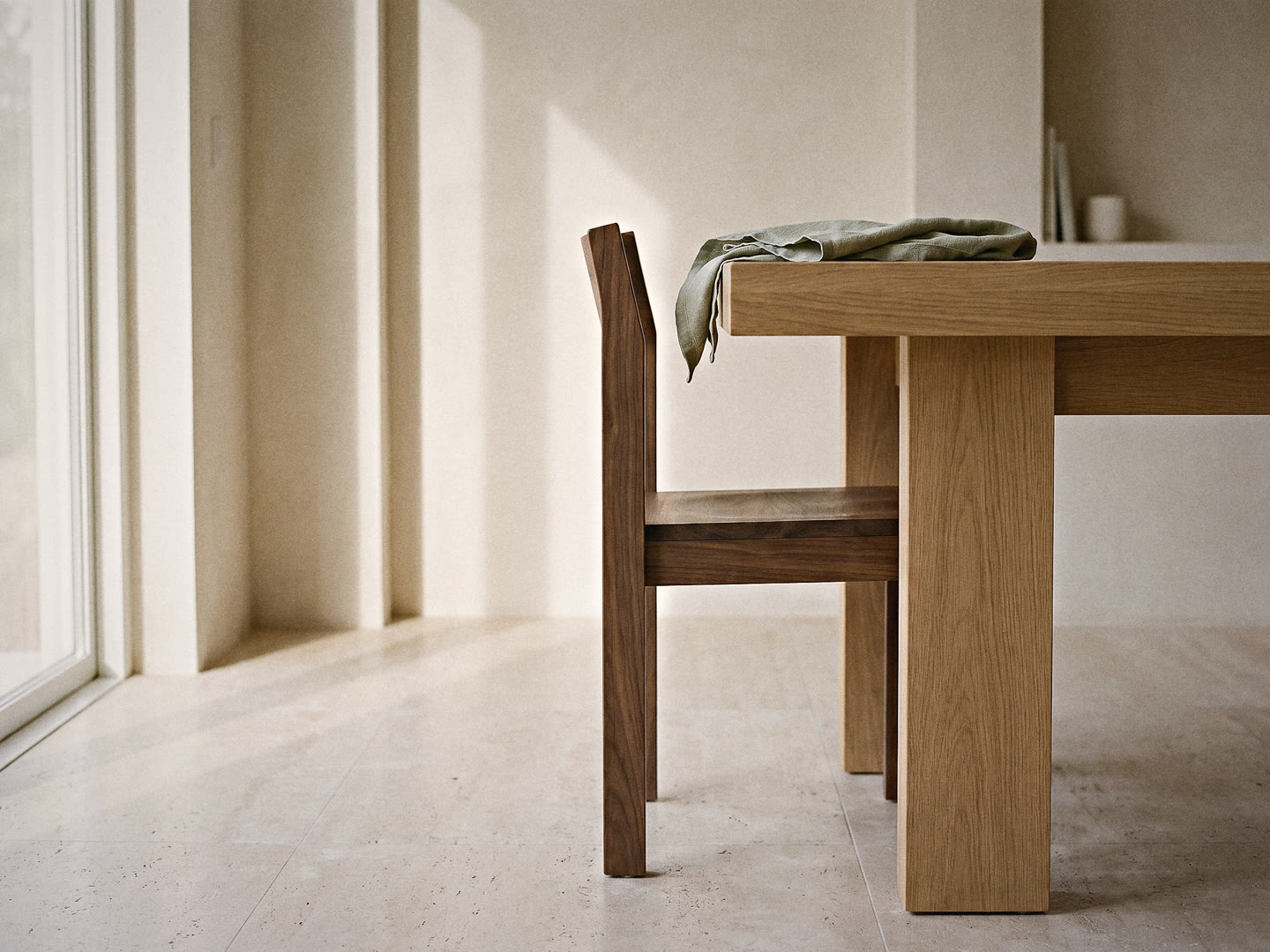
Most dining tables are 72 to 76 cm high, and most dining chairs have a seat 44 to 47 cm from the floor. Any combination within those ranges gives a gap near 28 cm, which is why most chairs and tables of the same period work together.
A soft seat sinks when sat on. A deeply upholstered dining chair listed at 48 cm may sit nearer 45, and a thin cushion on a hard seat adds a few centimetres the listing does not mention.
Lower dining tables of around 70 cm turn up in older and more relaxed designs, and want lower chairs, near 42 cm, to match.
Counter and bar stools
Stools follow the same gap, a little tighter: about 25 to 30 cm between seat and top. A kitchen counter of 88 to 92 cm wants a stool with a seat of 60 to 66 cm, usually sold as counter height. A bar or high table of 100 to 110 cm wants a seat of 72 to 78 cm, sold as bar height.
The two are easily confused on a listing, and the wrong one is uncomfortable straight away. Measure the counter from the floor to the top of the worktop, take away 26 cm or so, and look for that seat height.
A footrest matters more on a stool than anywhere else, because feet do not reach the floor. It sits most comfortably about 45 cm below the seat. Allow 60 cm of counter per stool, and leave at least 25 cm of overhang under the worktop for knees.
Desks and work chairs
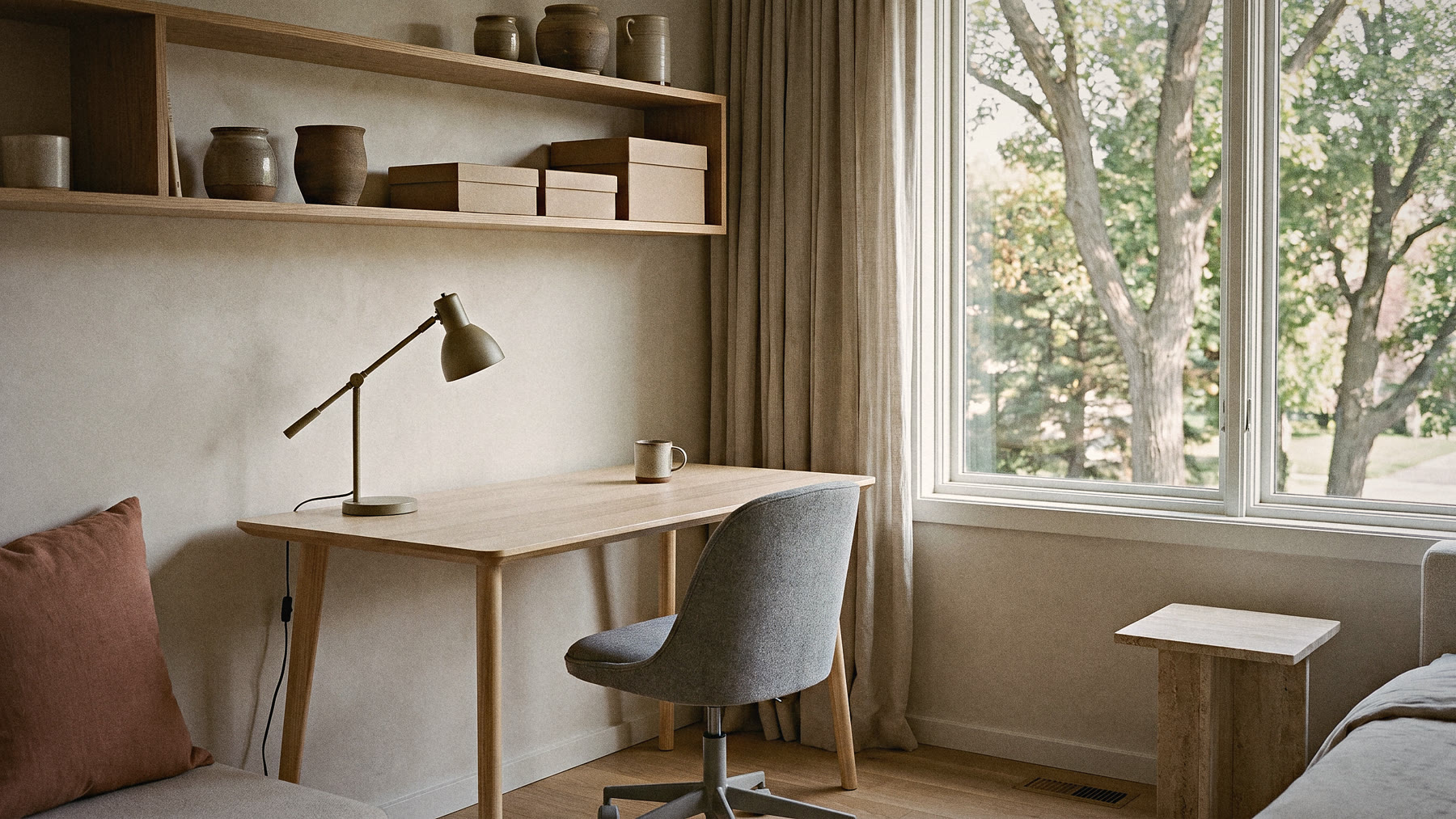
A fixed desk is usually 72 to 75 cm high; the European standard for office work tables puts a fixed-height desk at about 74 cm. That suits a person of average height in a chair set to match. Taller and shorter people are better served by a chair that adjusts and, where it matters, a desk that does too.
Set the chair first: feet flat on the floor, thighs about level, knees at roughly a right angle. Then the desk should meet the forearms with elbows at about 90 degrees and shoulders relaxed. If the desk is too high for that, raise the chair and add a footrest.
A work chair’s seat typically adjusts across 40 to 52 cm. Look for that range on the listing, along with seat depth, and check that the arms, if it has them, drop low enough to slide under the desk.
Sofas, armchairs and side tables
A sofa or lounge chair seat is lower and deeper than a dining seat: usually 40 to 45 cm high and 55 to 65 cm deep. A deep seat suits curling up and taller people; a shallow one suits sitting upright and makes standing up easier, which matters to anyone with stiff knees.
A side table is easiest to use when its top is within about 5 cm of the arm of the chair beside it, typically 50 to 60 cm. A coffee table, as the previous essay notes, is usually at seat height or a little below.
When in doubt, sit in a chair you find comfortable at home and measure it: seat height, seat depth, arm height. Those three numbers are the best guide to what to look for on a listing.
In the shops
Chairs and stools
Nothing in the shops matches today.